Leopard First Coffee Png Review
As a designer who spends more time staring at stitch density charts and fabric swatches than drinking the actual beverage, I approach every new design asset with a mix of skepticism and curiosity. When I first pulled up Leopard First Coffee Png, Coffee Png, my initial reaction was one of visual intrigue. It sits right at that intersection of trendy aesthetics and cozy comfort, which is exactly where successful commercial embroidery designs thrive. But does it translate well from a digital screen to a physical hoop? That is the question that matters most to small business owners, Etsy sellers, and crafters looking to add value to their handmade product lines.
First Impressions: Mood and Visual Personality
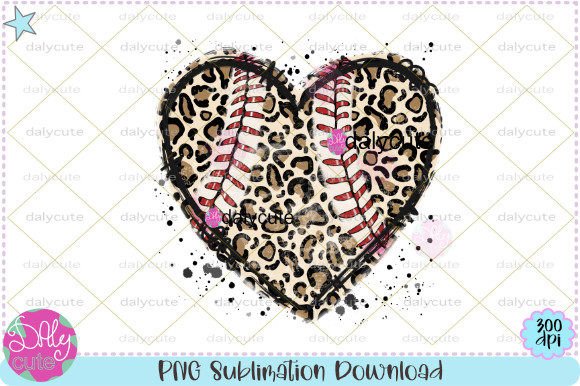
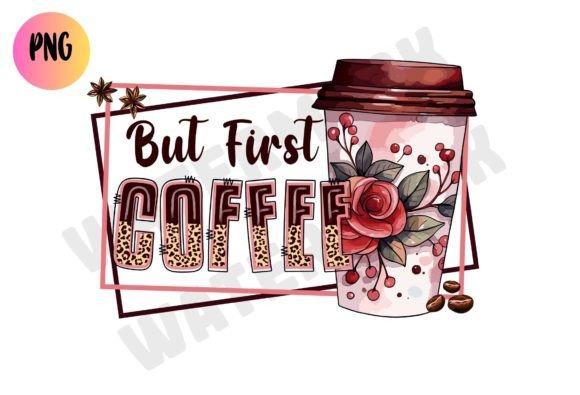
The immediate appeal of this design lies in its bold yet playful personality. The juxtaposition of the wild, untamed energy of leopard print with the grounded, comforting ritual of coffee creates a striking contrast. In terms of layout, the composition feels balanced enough to serve as a focal point on apparel without overwhelming the garment. For an embroidery project, this balance is critical. If a design is too cluttered, it loses clarity once stitched; if it is too sparse, it lacks the perceived value that customers expect when they pay for a premium handmade product.
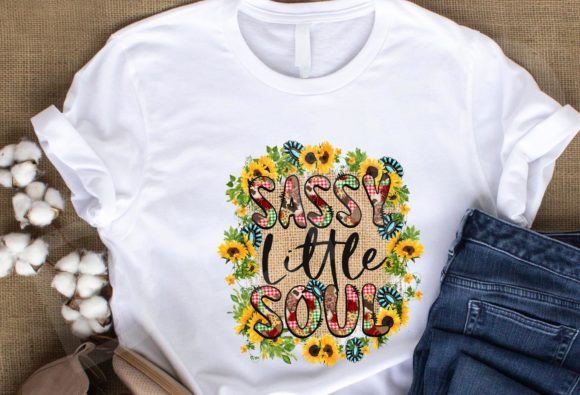
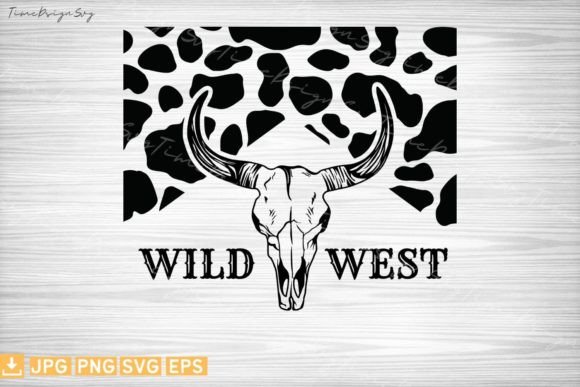
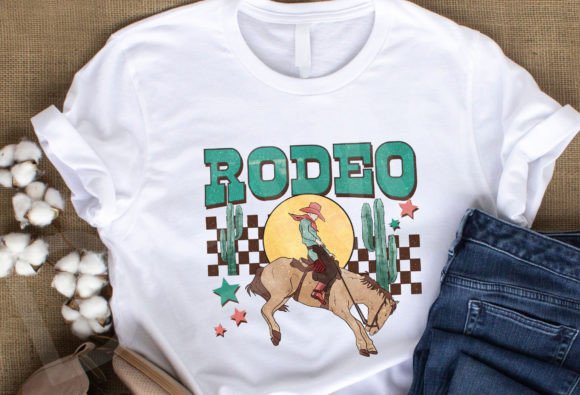
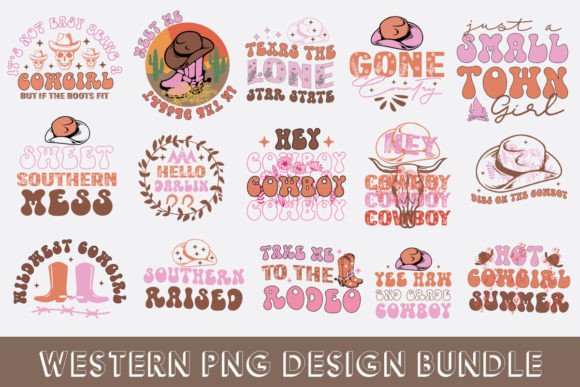
This particular graphic carries a "Western" vibe that has been trending heavily in boutique branding lately. It suggests a lifestyle—morning routines, country charm, and rustic elegance. For designers creating assets for custom apparel or holiday embroidery collections, this mood aligns perfectly with current consumer desires. It feels less like a generic clipart image and more like a curated piece of art intended for a specific aesthetic. The visual weight of the leopard spots provides a natural texture that can mimic the complexity of dense stitching, making it an excellent candidate for those looking to showcase thread work quality.
Real-World Application: Where This Design Shines
I often imagine how a design will look before I even touch the needle. For Leopard First Coffee Png, Coffee Png, my mind immediately goes to tote bag design projects. A canvas tote featuring this motif would be a staple in any craft fair booth or online shop. The sturdy nature of canvas supports the visual weight of the design, allowing the details to pop without distortion. It also translates beautifully to sweatshirt embroidery, particularly for fall and winter collections. The warmth associated with coffee pairs naturally with heavier fabrics, creating a cohesive sensory experience for the wearer.
Beyond apparel, this design holds significant potential for home decor items. Picture an embroidered patch applied to a kitchen towel or a pillow cover. These are high-margin items for Etsy sellers because they feel personal and useful. The coffee theme makes it highly giftable, especially for holidays or as a housewarming present. Furthermore, for those dealing in baby embroidery, this design could be adapted for nursery decor or milestone blankets, provided the scale is adjusted appropriately. The versatility here is not just about the image itself, but about the emotional connection it fosters between the maker and the end user.
Technical Considerations for Embroidery Execution
While the graphic looks stunning on a screen, the reality of machine embroidery introduces variables that can make or break a final product. One of the primary concerns with any design involving intricate patterns like leopard print is stitch density. High-density areas can lead to puckering, especially on thinner fabrics. Therefore, it is essential to review the underlying structure of the embroidery file to ensure that the fill stitches are optimized for smoothness. If the design relies heavily on satin stitch for outlines, checking the underlay is crucial to prevent the fabric from shifting during the run.
Thread color selection plays a massive role in the success of this project. The contrast between the dark coffee elements and the lighter leopard spots must be sharp. On a dark fabric, you may need to use a lighter base thread or add a stabilizing layer to ensure the colors remain distinct. Conversely, on light backgrounds, darker threads might bleed slightly if the tension is off. I always advise testing the design on scrap fabric first, using the exact thread colors and fabric type intended for the final product. This step helps identify potential issues with stitch density or color blending before you commit to a sellable item.
Pitfalls to Avoid
There are certain scenarios where this design should be used with caution. Small hoop sizes can be problematic if the design contains fine details that might merge together when scaled down. Tiny lettering or delicate corners may lose definition, resulting in a muddy appearance that undermines the professionalism of the finished product. Additionally, textured fabrics like terry cloth or heavy fleece can obscure the intricacies of the leopard pattern, making the design look flat or indistinct. Stretchy fabrics require careful hooping and potentially additional stabilizer to maintain shape, as the tension from the embroidery process can distort the material.
Curved surfaces, such as caps or hats, present another challenge. While possible, achieving a clean result requires advanced techniques and precise placement. For beginners or those looking for quick turnaround times, flat surfaces like aprons, tea towels, or flat panels are safer bets. It is also important to consider the end-use of the item. Products that require frequent washing, such as baby clothes or kitchen linens, need robust construction. Ensuring that the design is anchored properly and that the threads are colorfast will help maintain the integrity of the artwork over time.
Final Verdict for Designers and Sellers
Leopard First Coffee Png, Coffee Png is a strong contender for anyone looking to expand their craft business offerings. Its blend of popular trends and timeless themes gives it broad appeal. However, success depends on execution. By paying attention to technical details like stabilizer choice, thread contrast, and fabric compatibility, designers can elevate this graphic from a simple print to a high-quality embroidered asset. Whether you are creating personalized gifts, commercial embroidery pieces, or digital assets for other makers, this design offers a solid foundation for creativity. Just remember to check all licensing terms before selling finished items, and always prioritize quality control to build trust with your customers. In the world of handmade goods, consistency and care are what turn a one-time buyer into a loyal fan.