Watercolor Rodeo Cowboy Clip Art Review
As a designer who spends more time than I care to admit staring at stitch counts and thread tension, I approach every new asset with a healthy dose of skepticism. We have all been burned by a "cute" graphic that falls apart when digitized or printed. Today, I am putting Watercolor Rodeo Cowboy Clip Art through the wringer. This isn't just about whether it looks pretty on a screen; it is about whether it holds up in the real world of handmade products, custom apparel, and small business merchandise.
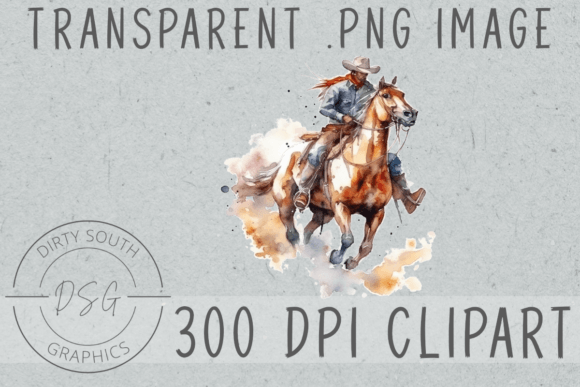
I received this as an Illustrations category item, specifically listed as a Graphics product. The specs are clear: 300 dpi, color sublimation transparent background .png clipart, with dimensions of at least 2500×2500 pixels. It is explicitly noted as NOT an SVG file and NOT a CUT file. It is a PNG Image suitable for printing and use for sublimation. Let’s break down what this means for your next embroidery project.
The First Impression: Mood and Visual Personality
When you first load Watercolor Rodeo Cowboy Clip Art, the immediate takeaway is the texture. Unlike vector-based line art which can feel rigid or cartoonish, this piece embraces the fluidity of watercolor. The bleed effect of the colors creates a soft, artistic vibe that feels less like a logo and more like a hand-painted illustration. For a craft business looking to stand out on Etsy, this distinction is crucial. It signals quality and effort before the customer even sees the finished physical item.
The theme is undeniably Western, but it avoids the cliché of harsh, rugged stereotypes. Instead, it leans into a romanticized, rustic aesthetic. This makes it incredibly versatile. It works equally well for a rugged men’s leather jacket patch as it does for a delicate baby onesie. The visual personality is warm, inviting, and slightly nostalgic. It taps into the current trend of "modern western" decor, which has seen a massive surge in popularity among homeowners looking for personalized gifts and boutique branding elements.
Real-World Application: From Screen to Stitch
Let’s talk about how this design performs in actual production scenarios. I envision Watercolor Rodeo Cowboy Clip Art being used in several high-value applications:
- Custom Apparel: On a heavyweight cotton sweatshirt, the vibrant colors would pop beautifully. The watercolor style softens the boldness of the graphics, making it wearable for everyday fashion rather than just costume wear.
- Tote Bag Design: A canvas tote featuring this artwork immediately elevates the bag from a generic promotional item to a fashion accessory. The transparent background allows for seamless integration onto various fabric colors.
- Baby Embroidery: Because the lines are not overly sharp or aggressive, this design translates surprisingly well to baby clothes. When digitized correctly, the soft edges mimic the gentle nature of infant products, making it a top choice for holiday embroidery gifts.
- Embroidered Patch: If you are creating a morale patch for a client, the detailed shading provides depth that flat colors lack. It adds a layer of professionalism to the finished product.
However, because this is a raster image (PNG) and not a vector embroidery file, the execution depends entirely on how you prepare it. If you are using this for commercial embroidery via direct-to-garment printing or sublimation, the 300 dpi resolution ensures crisp output. But if you are planning to convert this into a machine embroidery design, you must be careful. The intricate details of the watercolor wash might get lost if the stitch density is too high or if the hoop size is too small to accommodate the nuance of the shading.
Where to Exercise Caution
No design is perfect for every surface. There are specific situations where Watercolor Rodeo Cowboy Clip Art requires careful handling:
- Small Hoop Sizes: Avoid placing this design on very small items like coin purses or tiny wristbands. The subtle gradients of the watercolor effect need space to breathe. On a micro-scale, the details may blur together, resulting in a muddy appearance.
- Textured Fabrics: While linen and burlap look great with western themes, heavy textures can interfere with both printing clarity and embroidery stability. Test on scrap fabric first to ensure the thread colors remain distinct against the weave of the material.
- Dark Fabric Backgrounds: Since this is a transparent PNG, you will likely place it on colored backgrounds. On dark fabrics, ensure you have a solid underlay or white backing print layer so the watercolor tones do not get swallowed by the darkness of the shirt.
- Curved Surfaces: Applying this to a cap or a curved hat requires precise digitizing to prevent distortion. The organic shapes of the cowboy figure might warp if the curve mapping is off.
- Frequent Washing: For items that will undergo heavy laundering, such as work aprons or kitchen towels, verify the durability of the print method. Sublimation holds up well, but standard inkjet prints may fade without proper heat setting.
Impact on Brand Value and Customer Trust
In the world of online selling, visual appeal is your first salesperson. Using high-quality assets like Watercolor Rodeo Cowboy Clip Art directly influences customer trust. A pixelated or poorly defined image suggests a low-effort dropshipping operation. In contrast, a crisp, high-resolution graphic implies craftsmanship and attention to detail.
This design also enhances handmade presentation. When customers see a unique, artistic style rather than a mass-produced clip art, they are often willing to pay a premium. It supports brand consistency for shops that focus on rustic, artisanal, or western-themed aesthetics. Furthermore, its versatility allows for cross-promotion. You can use the same asset for a printable mockup on social media, a digital download preview, and the actual physical product, creating a cohesive marketing funnel.
Practical Designer Notes for Execution
Before you commit this design to production, here is my checklist for success:
- Test on Scrap Fabric: Always run a test print or stitch-out on a piece of the actual fabric you plan to use. Colors shift significantly between different materials.
- Check Thread Color Contrast: If converting to embroidery, select threads that complement the watercolor palette rather than competing with it. Neutral threads often work best to let the design shine.
- Review Stitch Density: Ensure the digitizer does not over-stitch the shaded areas. Too much density can make the fabric stiff and ruin the drape of the garment.
- Confirm Licensing: This is critical. Verify whether you have commercial rights to sell finished goods made with this design. Some licenses restrict the number of items you can sell or prohibit resale of the digital file itself.
- Use Proper Stabilizer: To maintain the integrity of the design shape, especially during embroidery, use a stabilizer appropriate for your fabric weight. Tear-away for wovens, cut-away for knits.
- Inspect Small Details: Zoom in on the 2500×2500 pixel source. Are there any artifacts or compression issues? Clean up any noise before finalizing your design assets.
- Black and White Mockups: Convert the image to grayscale to check the contrast balance. If the design lacks definition in black and white, it may struggle to read clearly in certain lighting conditions.
In conclusion, Watercolor Rodeo Cowboy Clip Art is a strong contender for designers looking to add a touch of elegance to their western-themed collections. Its high resolution and artistic style offer significant potential for Etsy sellers and small shop products. By respecting its limitations regarding scale and fabric type, you can create custom apparel and personalized gifts that truly resonate with buyers. Just remember: the quality of your final output is only as good as your preparation. Treat this asset with the respect it deserves, and it will serve your embroidery project well.