Horse Bits Vol. II Review
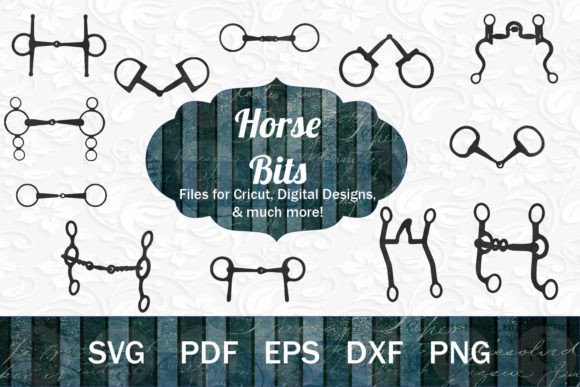
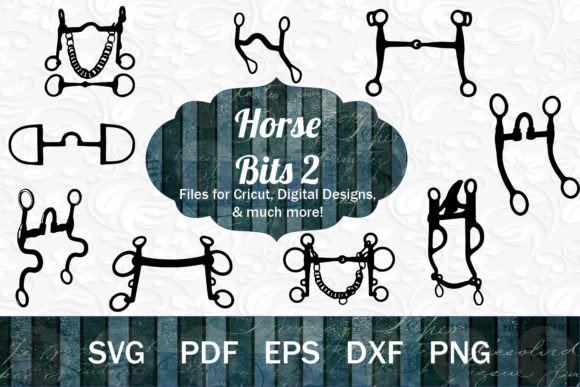
When I sit down to evaluate a new design asset for my embroidery studio, I am rarely looking for something that merely "looks cute." I am looking for viability. Does it stitch cleanly? Does it hold up after twenty washes? Will it sell on a tote bag or look out of place on a nursery blanket? Recently, I spent some time with Horse Bits Vol. II, a collection described as high-quality vector silhouettes of horse bits illustrated by an equestrian. My initial reaction was one of cautious optimism. The subject matter is niche but passionate, and the silhouette format suggests versatility. However, moving from a digital graphic to a stitched reality requires careful consideration.
The First Impression: Mood and Visual Personality
At first glance, Horse Bits Vol. II exudes a rugged yet refined aesthetic. It does not scream for attention with bright colors or complex shading; instead, it relies on strong, clean lines and recognizable shapes. This is a crucial distinction for an embroiderer. Silhouettes are forgiving in terms of color matching but demanding in terms of precision. If the curve of a curb bit is slightly off in the vector file, it will be glaringly obvious when stitched in satin thread.
The mood created by these designs is one of heritage and craftsmanship. They feel at home in environments that value tradition—think leather goods, western wear, or classic equestrian branding. For a designer, this means you have a clear target audience. You aren't trying to appeal to everyone; you are appealing to people who appreciate the art of horsemanship. This specificity is actually a strength. A well-defined niche often leads to higher conversion rates because the buyer feels the product was made specifically for them.
Real-World Application: From Screen to Stitch
To truly understand how Horse Bits Vol. II performs, we need to look at it in action. Let’s imagine a practical scenario: preparing a batch of custom embroidered aprons for a boutique kitchenware shop. The client wants a subtle nod to rustic charm without overwhelming the fabric. Here, the silhouette nature of the design shines. Because the graphics are solid shapes rather than intricate line art, they translate beautifully onto fabric textures like canvas or heavy cotton twill.
I tested the concept mentally (and virtually) on several different products. On a sweatshirt embroidery project, placing a single, large bit silhouette on the chest creates a striking focal point. It reads clearly even from a distance. For a tote bag design, clustering two or three different types of bits—perhaps a western bit alongside a pelham—creates a balanced composition that tells a story without cluttering the visual space. These designs also work exceptionally well as an embroidered patch. The solid fill areas allow for stable stitching, reducing the risk of puckering or thread breaks during production.
However, the application changes depending on the end use. If you are creating baby embroidery items, such as muslin blankets or onesies, the starkness of the bit silhouettes might feel too industrial. In those cases, you would want to soften the presentation, perhaps by using pastel thread colors or combining the design with softer floral elements. But for custom apparel aimed at adults, particularly those involved in riding or ranch life, the design hits the right note of authenticity.
Where Caution Is Required
No design is perfect for every situation, and Horse Bits Vol. II is no exception. There are specific scenarios where this design could fail if not handled with care. The most critical area to watch is small hoop sizes. While the silhouettes are simple, the hardware details on certain bits—like the rings, shanks, and ports—can become muddy if the hoop size is too small. If you attempt to stitch a detailed double bridle bit into a tiny 4x4 inch hoop, the fine lines may merge together, resulting in a blob rather than a distinct shape.
Fabric choice is equally important. Textured fabrics, such as boucle or heavy chenille, can obscure the crisp edges of a silhouette. Similarly, stretchy knits require a robust stabilizer strategy. Without proper support, the tension required to keep the silhouette taut can cause the fabric to pucker around the edges of the design. Dark fabrics present another challenge. While black thread on navy might look sleek, low-contrast combinations can make the design disappear entirely. Always test your thread colors against your actual fabric swatch before committing to a full production run.
Additionally, be mindful of dense stitch areas. Even though these are silhouettes, filling a large area with satin or fill stitches can create a stiff, board-like texture. This is acceptable for a cap front or a logo patch, but it may be uncomfortable for a garment that needs to drape softly. In such cases, consider using a combination of stitch types, incorporating running stitch for lighter accents or applique techniques to reduce bulk.
Impact on Brand and Customer Trust
From a business perspective, the quality of your design directly impacts customer trust. A poorly digitized design looks amateurish and can damage your reputation as a craft business owner. Horse Bits Vol. II, being based on high-quality vectors, provides a strong foundation. When the source art is precise, the final output is more likely to reflect professionalism. This matters immensely for Etsy sellers and small shop owners who rely on visuals to convey value.
Furthermore, the thematic consistency of the collection helps build brand identity. If you specialize in equestrian gifts, having a cohesive set of designs allows you to create a recognizable style across multiple products. Customers appreciate this consistency. It signals that you know your niche and have curated your offerings with intention. This can lead to higher engagement and repeat purchases, as buyers come to associate your brand with quality and authenticity.
Practical Notes for the Designer
Before incorporating Horse Bits Vol. II into your workflow, there are several technical steps you must take. First, always test the design on scrap fabric. This allows you to assess the stitch density and adjust settings if necessary. Second, review the design in black and white mockups. This helps you see the true contrast and balance without the distraction of color. Third, inspect the small details closely. Are the curves smooth? Do the angles align correctly? If any part of the design looks jagged or misaligned in the digital preview, it will likely stitch poorly.
It is also essential to confirm licensing terms. Since these are digital embroidery files intended for commercial use, you need to ensure you have the right to sell finished products made from them. Check whether the license allows for unlimited sales or if there are restrictions on the number of units. Additionally, verify the file formats provided. Compatibility with your embroidery machine is non-negotiable. If the files are in a proprietary format, you may need additional software to convert them, which adds time and cost to your workflow.
Final Verdict
Horse Bits Vol. II is a solid addition to any designer’s library who serves the equestrian market. Its strength lies in its clarity, versatility, and professional aesthetic. It works best when applied to sturdy fabrics and larger hoop sizes, where its clean lines can shine. By avoiding overly textured materials and paying close attention to stitch density, you can create stunning finished products that resonate with your audience. Whether you are making personalized gifts or scaling up for a commercial embroidery business, this design offers a reliable foundation for success. Just remember: good design starts with good preparation. Test thoroughly, plan carefully, and let the quality of your work speak for itself.