Horse Bits: A Designer’s Review for Embroidery Projects
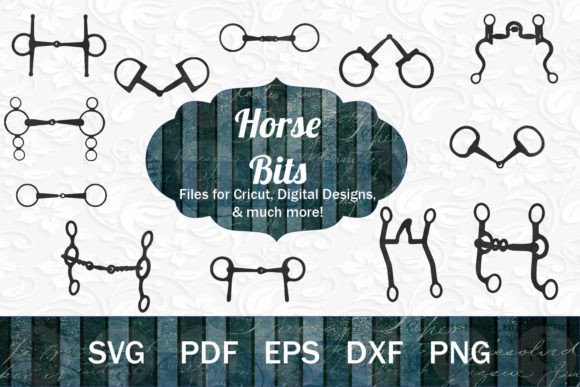
When I am looking at a new embroidery design to add to my library, I am rarely interested in just the visual appeal. I am thinking about the needle, the thread tension, the fabric stability, and ultimately, how this piece will look on a customer’s chest or bag after it has been washed five times. That is why I approach every new download with a mix of excitement and skepticism. Recently, I pulled up the Horse Bits collection—a set of high-quality vector silhouettes illustrated by an equestrian—and put it through its paces. Here is my honest take on whether these graphics belong in your commercial workflow or just your personal stash.
The First Impression: Clean Lines and Equestrian Soul
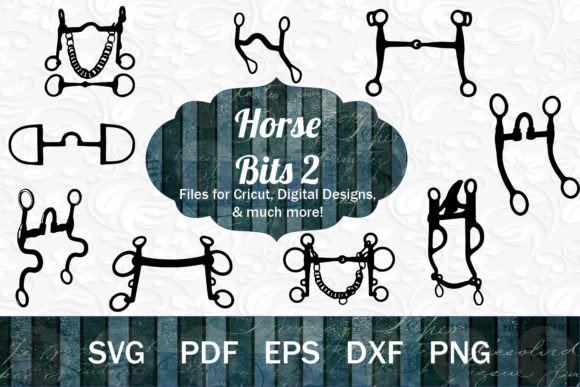
At first glance, the Horse Bits design stands out because of its clarity. We have all seen embroidery files that are cluttered with unnecessary detail, resulting in a muddy mess when stitched out. This collection avoids that trap entirely. The illustrations focus on the distinct shapes of English bits, western bits, curb bits, junior cowhorse bits, full cheek snaffles, half cheek snaffles, and O-ring snaffles. Because they are vector silhouettes, the lines are crisp and confident.
This simplicity is a designer’s best friend. It creates a mood that is both rugged and refined. It feels like something you would see in a high-end tack shop window or on a boutique brand’s label. The visual personality is strong without being loud. For an embroiderer, this means the design will hold its shape well, even if the stitch density isn't perfectly optimized for every single machine type. It relies on form rather than excessive texture, which gives it a timeless quality that fits well into custom apparel, embroidered patches, and home decor.
Real-World Application: From Sketch to Stitch
I decided to test the Horse Bits design on a few different mediums to see how it translates from screen to fabric. My primary goal was to create a line of small business merchandise for an Etsy listing targeting equestrian enthusiasts.
The Tote Bag Test
I started with a sturdy canvas tote bag. The silhouette worked beautifully here. Because the design is graphic, it pops against the natural beige of the canvas. I used a bold navy thread for the outline and a lighter cream for the fill. The contrast was sharp, and the details of the bit shanks and mouthpieces remained distinct. This is a classic tote bag design that appeals to riders who want subtle branding rather than a cartoonish image. It feels professional and trustworthy.
The Sweatshirt Scenario
Next, I moved to a heather grey sweatshirt. This is a popular item for holiday embroidery gifts. Placing the horse bit on the left chest area created a sophisticated look. However, I had to be careful with the placement. If the bit is too large, it can overwhelm the wearer. The clean lines of the Horse Bits file allowed me to scale it down effectively without losing the recognizable shape of the curb or snaffle. It works exceptionally well as a personalized gift for someone who appreciates the nuances of horse tack.
Baby and Nursery Decor
Surprisingly, this design also has potential in the nursery market. While horse bits might seem tough, the silhouette style is actually quite soft and rounded. When stitched onto a white muslin baby blanket or a onesie using pastel threads, it becomes a charming baby embroidery project. It bridges the gap between country living aesthetics and modern minimalist decor. It is a versatile asset for any small shop product line that caters to rural or farm-themed lifestyles.
Where to Exercise Caution
No design is perfect for every situation, and Horse Bits is no exception. As an experienced designer, I need to point out where this file might struggle.
Small Hoop Sizes
If you attempt to stitch this on a very small hoop, such as one used for jewelry or tiny monograms, you may lose the finer details of the bit rings and buckles. The curves of the O-ring snaffle or the complex angles of the junior cowhorse bit require enough space to breathe. I recommend keeping the minimum size relatively generous to ensure the stitch density does not become too thick, which could cause puckering.
Textured and Stretchy Fabrics
While the design looks great on stable cottons and blends, it requires more care on stretchy knits or highly textured fabrics like bouclé. On a stretchy fabric, the stabilizer choice is critical. Without proper backing, the tension of the satin stitch outlines might distort the delicate curves of the bit. Similarly, on a rough-textured apron or tea towel, the fine details might get lost in the weave. Always test on scrap fabric first to gauge how the thread interacts with the specific texture.
Dense Stitch Areas
Because these are silhouettes, they often rely on fill stitches to create solid shapes. If the underlying code has a high stitch count, it can make the final product stiff. This is a concern for items that need to remain soft, like apparel or pillow covers. If the bit feels like a hard plastic patch rather than a soft embroidered accent, it detracts from the handmade product feel. Check the stitch count in your software; if it seems excessively dense, consider simplifying the design or using a lighter underlay.
Design Notes for Professional Results
To get the most out of the Horse Bits graphics, keep these practical tips in mind:
- Thread Color Contrast: Silhouettes live and die by contrast. Ensure your thread color stands out clearly against your fabric. Dark navy on black will disappear; light gold on white will vanish. Use a mid-tone thread on a dark fabric or a bright thread on a neutral background.
- Stabilizer Selection: Use a cut-away stabilizer for woven fabrics like denim or canvas to provide long-term support. For knit fabrics, a tear-away might suffice for short-term wear, but cut-away is safer for durability.
- Black and White Mockups: Before committing to expensive thread, view the design in grayscale. This helps you judge the balance of negative space and the weight of the fill areas.
- Licensing Check: Since you are likely using this for a craft business or Etsy seller inventory, double-check the license terms. Confirm whether you can sell finished items made from these digital embroidery files. Most vector illustrations allow for commercial use of the finished physical product, but reselling the digital file itself is usually prohibited.
Final Verdict
The Horse Bits collection is a solid addition to any machine embroidery design library focused on equestrian themes. It offers a clean, professional aesthetic that translates well across various embroidery projects. Whether you are creating commercial embroidery goods for a boutique, designing printable mockups for clients, or making a personalized gift for a riding friend, this design delivers clarity and charm.
It is not a "do-it-all" design for every fabric type, but when used correctly on stable materials with appropriate thread choices, it produces a high-value finished product. It respects the viewer’s eye and honors the subject matter with dignity. For designers looking to expand their design assets with reliable, attractive graphics, Horse Bits earns a strong recommendation.