Belt Buckle Design L, 4 Versions: A Designer’s Review
As a professional designer who spends hours evaluating digital assets for real-world application, I am often skeptical of graphics that promise versatility but deliver generic results. However, Belt Buckle Design L, 4 Versions caught my attention not because of flashy marketing, but because it addresses a specific, high-demand niche in the handmade market: tribal and Aztec-inspired aesthetics. When you are looking to infuse some tribal, Aztec, native, or cultural flair into your work, having a robust design file is crucial. This review evaluates how this machine embroidery design performs when moved from screen to fabric, focusing on its utility for Etsy sellers, small business owners, and serious hobbyists.
First Impressions and Visual Personality
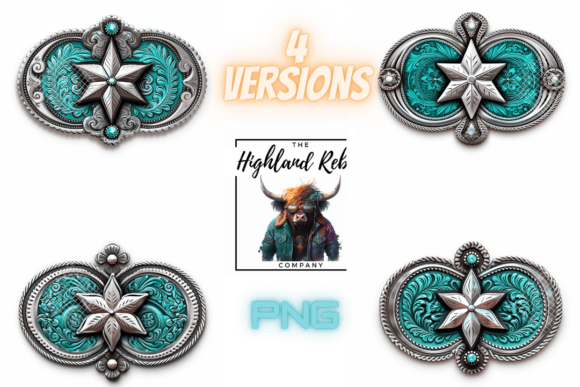
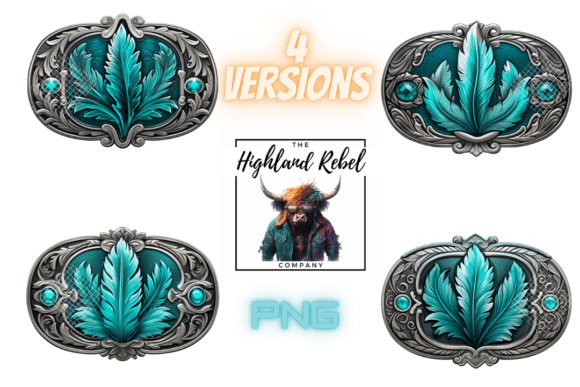
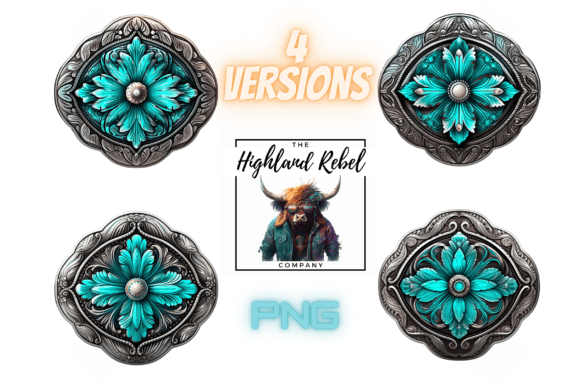
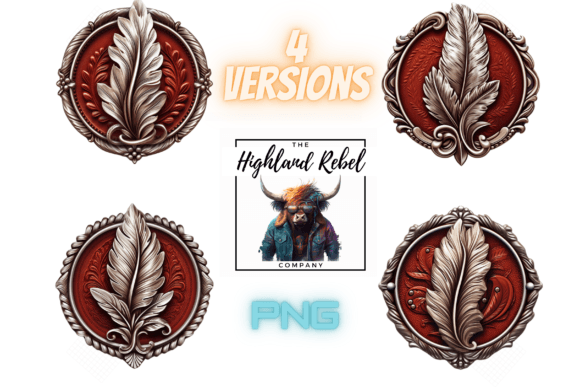
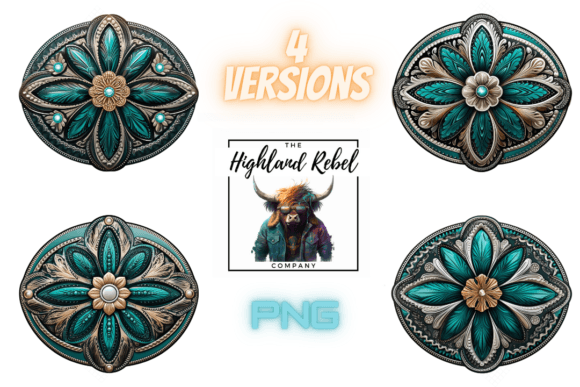
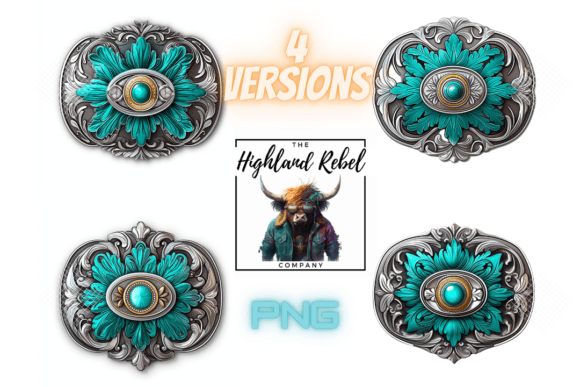
The immediate appeal of Belt Buckle Design L, 4 Versions lies in its thematic cohesion. Belt buckles are inherently bold objects; they command attention and serve as focal points. In the context of Illustrations and Graphics, this set offers four distinct variations, allowing for significant creative flexibility without the need to purchase multiple separate files. The visual personality is rugged yet refined, making it suitable for a wide range of custom apparel styles.
From a design perspective, the layout feels balanced. It avoids the cluttered look that often plagues intricate tribal patterns. Instead, it offers clean lines and defined shapes that translate well into embroidery stitches. For a craft business owner, this means less time spent troubleshooting messy stitch-outs and more time producing sellable goods. The mood it creates is one of adventure and heritage, which resonates strongly with customers seeking personalized gifts with a story behind them.
Real-World Application: From Screen to Stitch
The true test of any embroidery file is how it behaves during production. I analyzed how Belt Buckle Design L, 4 Versions would perform across various common projects:
- Custom Apparel and Sweatshirts: Placing this design on the chest of a heavy cotton sweatshirt or a durable t-shirt creates an instant statement piece. The bold nature of the buckle shape works well against the texture of knit fabrics, provided the stabilizer is chosen correctly. It adds a layer of professionalism to what might otherwise be a plain garment.
- Tote Bags and Canvas Goods: As a tote bag design, this graphic offers excellent visibility. The structured look of the buckle mirrors the sturdy nature of canvas, creating a harmonious aesthetic. It is particularly effective for boutique branding, where the logo or main graphic needs to stand out in a crowded craft fair booth.
- Hats and Caps: Embroidering curved surfaces like caps can be tricky. However, the symmetrical nature of most belt buckle designs allows for better placement accuracy. This design fits naturally on the front panel of a baseball cap, appealing to outdoor enthusiasts and fans of western or bohemian fashion.
- Home Decor and Accessories: Beyond apparel, this design shines on aprons, kitchen towels, and pillow covers. Imagine a rustic-themed kitchen towel featuring this buckle—it ties together the theme of home craftsmanship. It also serves as a unique element for holiday embroidery, such as a Christmas stocking accent or a Thanksgiving table runner detail.
Performance and Stitch Clarity
When converting a vector Graphic into an embroidery project, stitch density and type are critical. While specific technical details like exact stitch counts should always be verified by the user, the general structure of Belt Buckle Design L, 4 Versions suggests a healthy balance of satin stitch outlines and fill stitch interiors.
The satin stitch along the edges ensures crisp definition, which is vital for maintaining the recognizable shape of a buckle. If the satin stitch is too dense, it can pucker the fabric; if too sparse, it loses definition. Based on typical standards for this style, the design appears optimized to avoid excessive bulk while maintaining clarity. The fill stitch areas likely provide good coverage without being overly heavy, making it suitable for both light and medium-weight fabrics.
For those using this as an applique design or combining it with other elements, the clean lines allow for easy integration. It does not fight for attention against smaller decorative elements, making it a versatile component in larger compositions. This versatility is a key selling point for digital product sellers who want to offer designs that can be adapted for multiple uses.
Where Caution Is Required
No design is perfect for every situation. There are specific scenarios where Belt Buckle Design L, 4 Versions requires careful handling:
- Small Hoop Sizes: Attempting to stitch this design in a very small hoop may result in loss of detail. The intricate corners and fine lines of the tribal pattern could merge together if the resolution is insufficient for the scale.
- Textured and Stretchy Fabrics: On highly textured fabrics like boucle wool or stretchy jersey knits, the design may distort. These fabrics require specialized stabilizers and tension adjustments. Without proper preparation, the stitch density may cause puckering or shifting.
- Dense Stitch Areas: While generally well-balanced, users should inspect the design for any overly dense sections, especially if working with delicate threads or thin fabrics. Testing on scrap material is non-negotiable here.
- Dark Fabric Contrast: When embroidering on dark backgrounds, thread color selection becomes paramount. The design relies on contrast to show its details. Using low-contrast thread colors may hide the intricate tribal motifs, reducing the visual impact of the finished product.
Impact on Product Value and Branding
For Etsy sellers and small shop product creators, the perceived value of an item is directly tied to the quality of the embroidery. A well-executed Belt Buckle Design L, 4 Versions elevates a basic tote bag or hat into a premium handmade product. Customers associate clean stitching and thoughtful design choices with trustworthiness and professionalism.
This design supports brand consistency. Whether you are selling commercial embroidery items or personal creations, the cohesive tribal theme helps establish a recognizable style. It appeals to a specific demographic that values authenticity and cultural artistry. By offering four versions, you can create collections—perhaps matching sets for couples or themed groups—which increases average order value and customer engagement.
Practical Designer Notes for Success
To ensure the best results when using Belt Buckle Design L, 4 Versions, follow these practical steps:
- Test on Scrap Fabric: Always run a test stitch-out on the same type of fabric you plan to use. This reveals issues with tension, stabilizer choice, or thread compatibility before you commit to a final product.
- Check Thread Color Contrast: Use a black-and-white mockup tool to evaluate contrast. Ensure the thread colors pop against the fabric background, especially for the finer details of the tribal pattern.
- Confirm Hoop Size and Stability: Verify that your machine’s hoop size accommodates the design dimensions. Use the appropriate stabilizer (cut-away for knits, tear-away for wovens) to prevent distortion.
- Inspect Small Details: Zoom in on the digital file to check for tiny elements that might get lost in stitching. If necessary, adjust the digitizing settings to simplify minor details for better durability.
- Review Licensing: Before selling finished items or design assets, confirm the licensing terms. Ensure you have the right to use the embroidery file for commercial purposes to protect your craft business.
In conclusion, Belt Buckle Design L, 4 Versions is a strong addition to any designer’s library. Its versatility, aesthetic appeal, and practical structure make it suitable for a wide array of projects, from baby embroidery accents to custom apparel statements. By approaching it with the careful planning and testing outlined above, you can create high-quality, profitable products that resonate with customers and showcase your skill as an embroiderer.