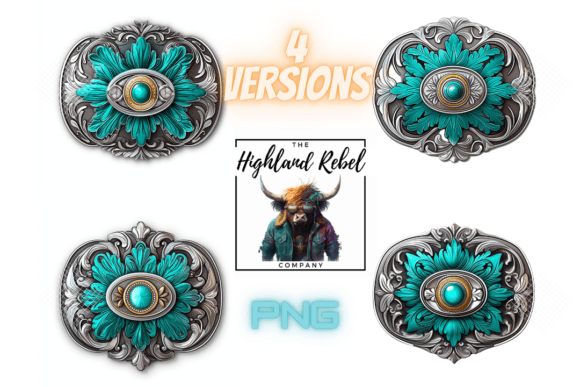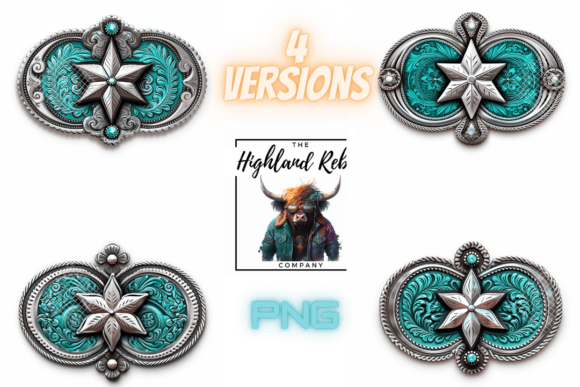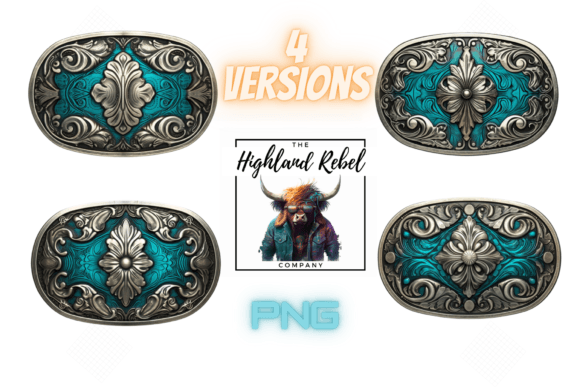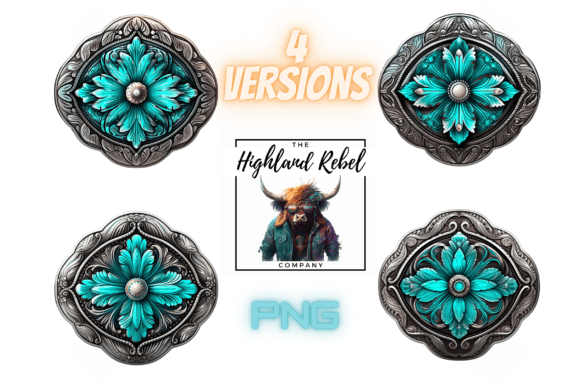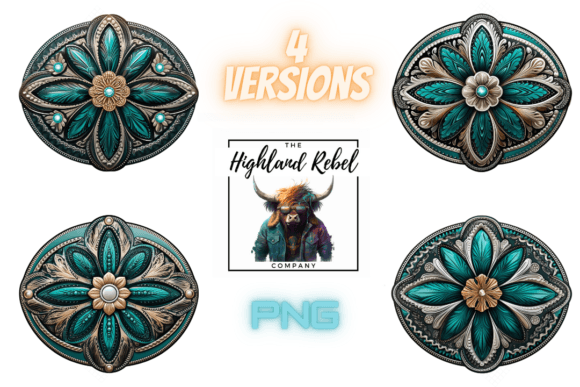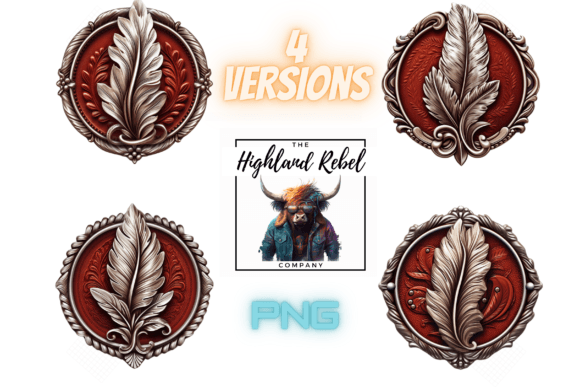
Belt Buckle Design F, 4 Versions
As a designer who spends more time looking at stitch density and fabric grain than scrolling through endless marketplaces, I approach every new digital asset with a healthy dose of skepticism. We have all been burned by designs that look stunning on a screen but turn into a muddy, tangled mess once the needle starts moving. That is why I decided to put Belt Buckle Design F, 4 Versions through its paces. This isn’t just about aesthetics; it is about whether this design actually holds up in a real-world embroidery project, especially when you are trying to create something sellable for your craft business or Etsy shop.
The product description promises four different versions of a buckle for the price of one, targeting those looking to infuse tribal, Aztec, native, or cultural motifs into their work. For an illustrator or graphic artist, this falls under Illustrations and Graphics, but for us embroiderers, it is a test of translation from vector to thread. My goal here is to give you a practical review based on how this design behaves when it leaves the computer screen and enters the hoop.
First Impressions: The Visual Personality
When you first load Belt Buckle Design F, 4 Versions, the immediate takeaway is the boldness of the shape. Buckles are inherently geometric, which is good news for machine embroidery. Unlike organic floral patterns that can suffer from thread breaks or uneven coverage, a buckle design relies on strong lines and defined areas. The four variations likely offer slight tweaks in the detailing—perhaps varying the complexity of the inner cutouts or the thickness of the border—but they all share a rugged, grounded aesthetic.
This design screams "heritage" and "craftsmanship." It does not feel like a trendy, fleeting graphic; it feels timeless. For a handmade product, this translates to perceived value. When a customer sees a well-executed tribal buckle on a leather bag or a heavy cotton shirt, they associate it with durability and quality. The visual personality is confident, making it an excellent choice for brands that want to project strength, tradition, or outdoor adventure.
Real-World Application: Where Does It Fit?
I wanted to see where this design truly shines, so I imagined it in several common small business scenarios. The most obvious application is custom apparel. A sweatshirt embroidery featuring this buckle works exceptionally well on chest pockets or centered back prints. The weight of the hoodie fabric supports the density of the design without warping. Similarly, for a tote bag design, placing this on a canvas bag adds a focal point that elevates it from a generic promotional item to a boutique accessory.
It also performs beautifully as an embroidered patch. Because buckles are self-contained shapes, they stitch cleanly even when surrounded by a simple satin stitch border. This makes them perfect for decorating denim jackets, beanies, or caps. I also see potential in home decor. A pillow cover or a kitchen towel featuring this motif could add a rustic touch to a farmhouse-style interior. The versatility of having four versions means you can mix and match to create a cohesive collection for your online store, offering customers variety while maintaining brand consistency.
For holiday embroidery, this design has a unique angle. While it is not traditionally "festive," incorporating it into a gift set—such as a personalized apron or a baby onesie for a father-to-be—adds a masculine, playful element that stands out against the usual snowflakes and reindeer. It helps your shop capture a niche market that often gets overlooked during peak seasons.
Technical Performance and Stitch Clarity
The success of any machine embroidery design lies in its execution. With Belt Buckle Design F, 4 Versions, the key challenge is managing the transition between different stitch types. A buckle typically requires a combination of satin stitches for the outline and fill stitches for the solid metal parts. If the software automatically generates too much fill in the thin connecting bars of the buckle, you risk thread jams.
From a reviewer’s perspective, the detail level appears balanced. It is detailed enough to be interesting but not so intricate that it requires microscopic attention to stitch down. However, you must pay close attention to the stitch density. If the design is too dense for the fabric you are using, the result will be stiff and uncomfortable. Conversely, if it is too sparse, the fabric texture might show through, ruining the clean look of the buckle. Always check the thread colors you plan to use. Metallic threads can add a premium feel to the buckle's center, while matte cottons might soften the look for a more artisanal vibe.
Where to Exercise Caution
No design is perfect for every situation, and there are specific scenarios where Belt Buckle Design F, 4 Versions might struggle. First, avoid using this on highly textured fabrics like heavy tweed or bouclé. The noise from the fabric texture will compete with the design details, making the buckle look blurry or indistinct. Thin fabrics are also risky; unless you use a high-quality tear-away stabilizer, the tension of the stitches may pucker the material around the buckle shape.
Curved surfaces present another challenge. While this design works well on flat panels, applying it to the curved front of a cap requires careful digitizing adjustments to prevent distortion. If the design includes very small details or tiny lettering within the buckle frame, be cautious. On a finished product, these minute elements can get lost or become difficult to read, especially if viewed from a distance. Furthermore, if you are creating products that need frequent washing, such as baby clothes or aprons, ensure the design is anchored properly. Loose ends or large satin stitches can catch on things over time.
Designer Notes for Best Results
To get the most out of this file, I recommend following a few practical steps before committing to your final product. Always test the design on scrap fabric first. This allows you to evaluate how the stabilizer interacts with your specific material and whether the hoop size accommodates the design without cutting off important edges. Inspect the small details closely after stitching; if corners look soft, you may need to adjust the underlay stitches in your software.
Another crucial step is to view the design in black and white mockups. Sometimes, color distracts us from structural flaws. If the design lacks clarity in grayscale, it will likely lack impact in color as well. Compare light and dark fabric backgrounds to ensure sufficient contrast. Additionally, confirm whether the license allows for commercial use. As a digital product seller, you need to know if you can sell finished items made with this design or if there are restrictions on the number of units. Check the terms regarding commercial embroidery rights to protect your business.
Final Verdict
Belt Buckle Design F, 4 Versions is a solid addition to any embroidery library, particularly for designers focused on custom apparel, patches, and lifestyle goods. It offers strong visual appeal, clear stitching potential, and versatile application across various products. By understanding its strengths and limitations, you can create professional-looking finished products that resonate with customers. Whether you are an established Etsy seller looking to expand your catalog or a hobbyist wanting to make a meaningful personalized gift, this design provides the foundation for a high-quality result. Just remember to respect the fabric, choose your threads wisely, and always test before you sell.