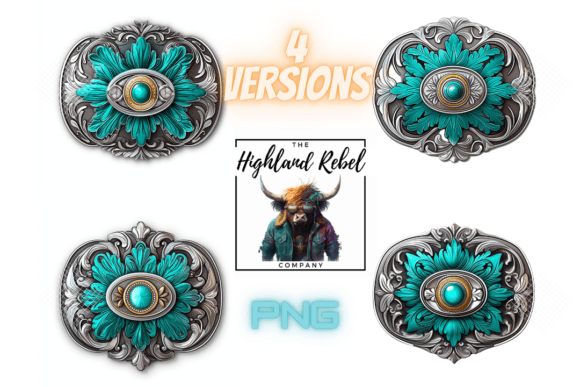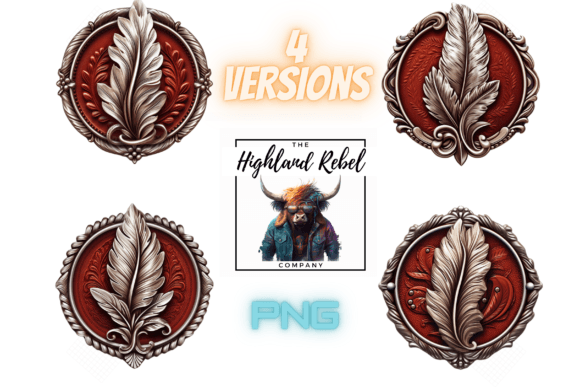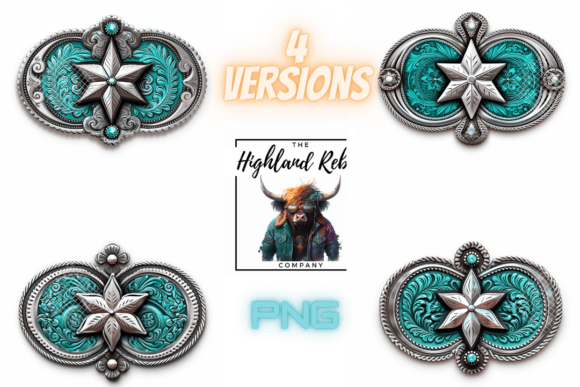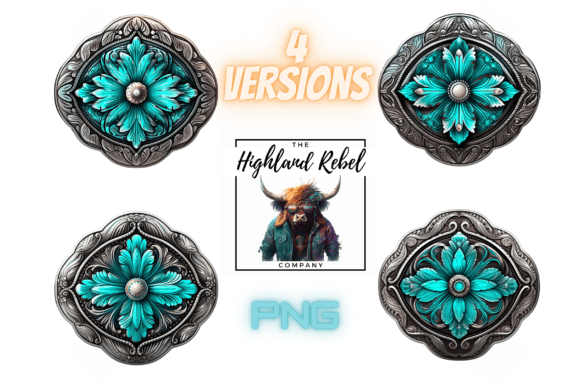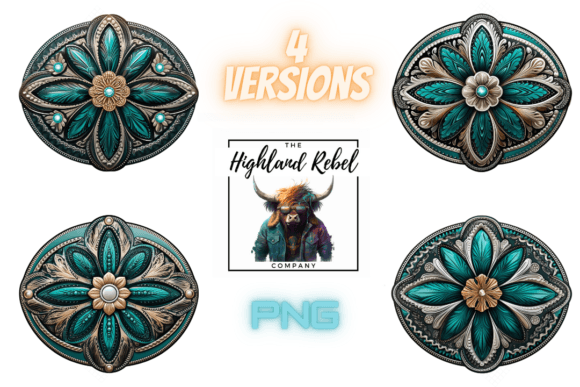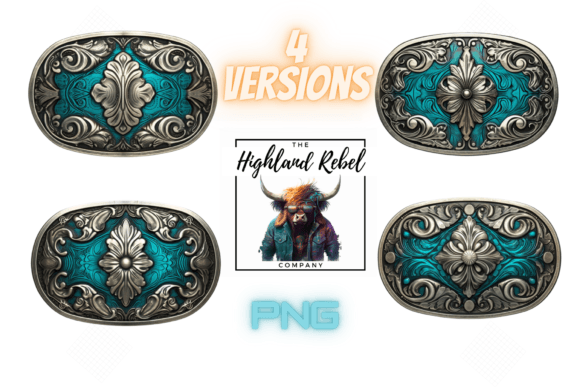
Belt Buckle Design G, 4 Versions
When I am looking for a design that can anchor a custom apparel project without overwhelming the wearer, I tend to gravitate toward motifs with strong geometric roots. That is exactly why Belt Buckle Design G, 4 Versions caught my eye during a recent search for versatile graphic assets. As an embroidery designer who frequently juggles client requests for everything from rustic festival wear to polished boutique merchandise, I have learned to value designs that offer flexibility. This set does not just provide a single image; it offers four distinct variations of a beautiful buckle theme, giving you the creative latitude to match specific brand aesthetics or customer preferences.
The initial impression of this collection is one of grounded authenticity. The tribal and Aztec influences are woven into the layout in a way that feels intentional rather than cluttered. For those of us in the craft business, finding graphics that convey heritage and craftsmanship while remaining clean enough for machine execution is a delicate balance. These designs strike that balance effectively. They possess a visual personality that suggests durability and tradition, making them ideal for infusing native or cou themes into modern products. Whether you are preparing a limited run of holiday gifts or building a permanent line of custom apparel, the mood these buckles create is one of reliable, handcrafted quality.
Real-World Application: From Screen to Stitch
I recently evaluated Belt Buckle Design G, 4 Versions with a specific project in mind: a batch of embroidered tote bags for a local artisan market. Tote bags are a staple for any Etsy seller or small shop owner because they are practical, reusable, and serve as walking billboards for your brand. However, they also present unique challenges regarding fabric texture and hoop stability. I selected one of the versions with a slightly more open layout to ensure the details would translate well onto canvas or cotton duck cloth.
The result was impressive. The design’s structure allowed for clear definition even on a textured surface. When stitching on a sweatshirt or a heavy-duty cap, the geometric lines held their shape beautifully, avoiding the common pitfall of merging together when the stitches crowd each other. I also tested a version on a baby onesie, using a softer thread palette to soften the bold tribal elements. It worked surprisingly well, proving that this embroidery file is adaptable across different demographics. It bridges the gap between rugged outdoor gear and gentle nursery decor, which is a valuable trait for designers looking to maximize the utility of their design assets.
Strategic Use Cases for Commercial Projects
In the world of commercial embroidery, versatility is currency. Having four versions of the same core concept means you can cater to diverse tastes without investing in entirely new artwork. Here is how I see these designs fitting into various product categories:
- Custom Apparel and Sweatshirts: The bold nature of the buckle motif makes it perfect for chest placements or back prints on hoodies. It adds a focal point that draws the eye without requiring massive stitch counts.
- Embroidered Patches: These designs translate exceptionally well as iron-on or sew-on patches. The defined edges make them easy to digitize for patch work, allowing customers to personalize denim jackets or backpacks.
- Home Decor and Kitchen Towels: For the handmade product market, these buckles add a touch of southwestern charm to tea towels or pillow covers. They fit seamlessly into autumn-themed collections or holiday embroidery projects centered around rustic home styling.
- Wedding and Personalized Gifts: Imagine incorporating one of these designs into groomsmen gifts, such as monogrammed flasks or keychains. The "native" aesthetic pairs well with leather goods, creating a cohesive look for personalized gifts.
By offering multiple options, you increase the perceived value for your buyers. A customer browsing your online store might hesitate at first, but seeing four distinct interpretations of the same theme encourages them to pick the one that resonates most with their personal style. This subtle psychological nudge can significantly boost conversion rates for your digital product previews and finished product listings.
Technical Considerations and Fabric Constraints
While Belt Buckle Design G, 4 Versions is robust, no design is immune to the physics of embroidery. There are certain scenarios where caution is required. I advise testing these files carefully on small hoop sizes. While the overall shape is clear, the intricate details within the tribal patterns may lose definition if compressed too tightly. If you are planning to use this on a cap or a curved surface, be mindful of the distortion that occurs during stitching. The design works best on flat, stable surfaces like aprons, tote bags, or the front panel of a hat.
Fabric choice is equally critical. Thin or stretchy fabrics can pucker under the tension of fill stitches, especially if the design has dense areas. Always use a proper stabilizer to support the fabric structure. Additionally, dark fabrics require careful thread color selection. The contrast between the thread and the fabric will determine whether the fine lines of the buckle remain visible or get lost in the background. I recommend running a black-and-white mockup test before committing to production; this helps you assess the visual weight of the design independent of color distractions.
Designer’s Checklist for Success
To ensure that your final product reflects professionalism and earns customer trust, follow these practical steps before executing Belt Buckle Design G, 4 Versions:
- Scrap Testing: Never skip the test run. Stitch the design on scrap fabric that matches the weight and texture of your final material. This reveals potential issues with thread breaks or tension imbalances early.
- Stitch Density Review: Examine the density of the fill stitches. If the design feels too heavy for the intended garment (like a lightweight t-shirt), consider simplifying the inner details or adjusting the thread colors to reduce visual bulk.
- Licensing Confirmation: Before selling finished items or digital products, confirm the licensing terms. Ensure you have the right to use these graphics for commercial purposes, especially if you are scaling up your craft business.
- Thread Color Contrast: Experiment with different thread palettes. A classic metallic gold or silver thread can elevate the buckle look, mimicking actual metal hardware, while earth tones reinforce the tribal aesthetic.
- Small Detail Inspection: Zoom in on the smallest elements of the design. Running stitch or satin stitch segments that are too narrow may not render cleanly on all machines. Verify that these details are legible at your intended output size.
Ultimately, Belt Buckle Design G, 4 Versions is a smart addition to any designer’s library. It combines aesthetic appeal with functional versatility, making it suitable for a wide array of embroidery projects. Whether you are creating a heartfelt personalized gift for a friend or stocking your Etsy shop with trendy boutique branding materials, these designs offer the reliability and style needed to stand out. By approaching them with careful technical preparation and a keen eye for context, you can transform simple illustrations into high-value handmade products that customers love.