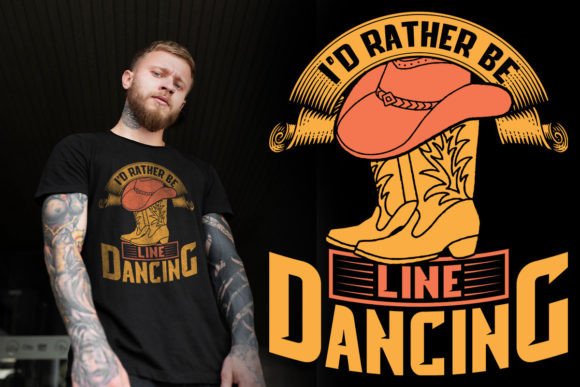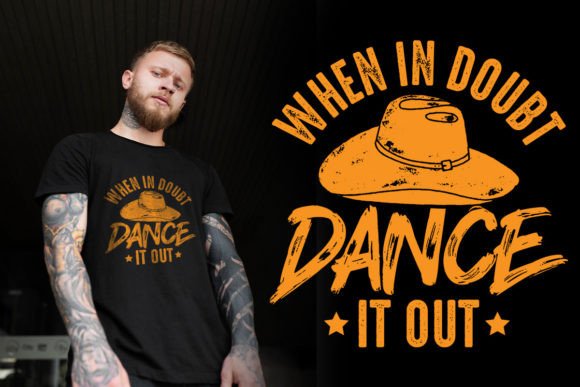
Line Dancing is Always the Answer Shirt
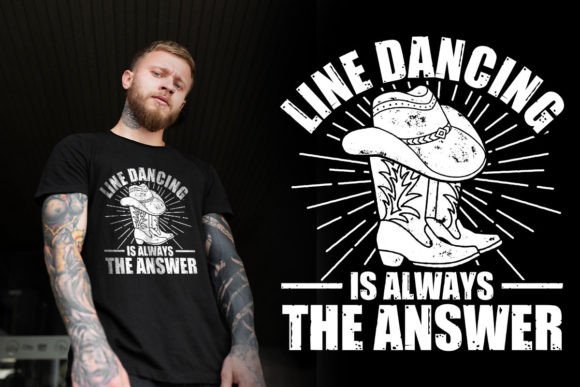
When I sit down to evaluate a new embroidery file for my studio, I am rarely looking for something that merely looks good on a screen. I am looking for stitchability, durability, and emotional resonance. The market is flooded with generic quotes, but few capture the specific energy of a night out at the honky-tonk quite like the Line Dancing is Always the Answer Shirt design. As an experienced designer reviewing this piece for real-world application, I see a graphic that balances vintage nostalgia with modern craft trends. It is not just a T-Shirt Design; it is a Graphics asset ready to be transformed into tactile reality through needle and thread.
The First Impression: Vintage Soul in Digital Form
The immediate visual pull of the Line Dancing is Always the Answer Shirt lies in its typographic personality. The description notes a "Vintage Line Dancing" aesthetic, which suggests a distressed or retro font treatment. In the world of machine embroidery, typography is often the hardest element to execute perfectly. If the lettering is too thin or the serifs too delicate, they can disappear into the fabric or pucker under tension. However, from a reviewer’s perspective, this design feels robust. It carries a mood of relaxed fun and communal joy, making it an ideal candidate for custom apparel and personalized gifts.
The layout appears centered and balanced, a classic choice for chest placements on sweatshirts and t-shirts. This symmetry ensures that the design remains legible even when stitched onto curved surfaces like caps or rounded garment fronts. For the Etsy seller or small shop product creator, this balance is crucial because it translates well across various printable mockup scenarios before you ever commit thread to cloth. It screams approachability, suggesting that the wearer values community and celebration over high-fashion pretension.
Real-World Application: From Screen to Stitch
Let us move beyond the digital preview and talk about how this design performs in actual production. Imagine preparing a batch of holiday gifts for a boutique client. The Line Dancing is Always the Answer Shirt design is perfect for sweatshirt embroidery during the fall and winter seasons. The vintage theme pairs beautifully with heather grey or navy fleece, creating a cozy yet stylish look. When executed as a commercial embroidery project, the design’s strong lines will hold up against frequent washing, provided the correct stabilizer is used.
However, versatility is key for the craft business. This design is not limited to heavy cotton tees. I envision it thriving on canvas tote bag design projects for music festivals or country-themed events. The bold nature of the quote works well on sturdy fabrics where the stitch density can be supported without causing the material to warp. For baby embroidery, such as on bibs or onesies, the design offers a sweet contrast between the tough exterior of line dancing culture and the softness of infant wear, appealing to parents who want to pass on their love for country music early.
Furthermore, the design fits seamlessly into the realm of home decor. A pillow cover featuring this motif adds character to a living room, while a kitchen towel version brings humor to meal prep. The embroidered patch variation is also highly viable. By adding a border, this graphic becomes a detachable badge that can be sewn onto denim jackets or backpacks, expanding its utility beyond simple printed goods.
Technical Considerations and Potential Pitfalls
While the concept is strong, no designer should rush to production without caution. The Line Dancing is Always the Answer Shirt relies heavily on text, which means attention to detail is paramount. If the design includes intricate script elements alongside block letters, you must inspect the small details closely. Tiny curves can become muddy if the thread colors lack sufficient contrast against the background fabric.
I strongly advise testing this design on scrap fabric first. Pay close attention to how the fill stitch behaves if there are solid blocks of color. On stretchy fabrics, such as jersey knits used for casual t-shirts, excessive density can cause puckering. In such cases, a tear-away stabilizer might not be enough; a cut-away stabilizer may be necessary to maintain the integrity of the finished product over time. Additionally, dark fabrics require careful thread selection. White or light pastel threads may need multiple passes to achieve opacity, increasing the risk of thread breaks and extending production time.
Another area requiring care is the hoop size. If the design is large, ensure your machine hoop can accommodate it without trimming essential parts of the quote. Curved surfaces like baseball caps present another challenge. The curvature can distort straight lines of text, so using a cap frame and adjusting the hooping technique is essential to keep the words level and readable.
Maximizing Visual Appeal and Customer Trust
For the creative entrepreneur, the quality of execution directly impacts brand consistency. A sloppy stitch job on a handmade product can undermine customer trust, regardless of how charming the design is. The Line Dancing is Always the Answer Shirt has the potential to elevate a brand’s image by offering a professional-grade finish on a fun, relatable theme. When customers see clean satin stitch edges and uniform running stitch accents, they perceive higher value.
To enhance the visual appeal, consider experimenting with different thread sheens. A matte polyester thread might best capture the vintage feel, whereas a rayon thread could add a touch of luxury to a boutique item. Comparing light and dark fabric backgrounds in your digital embroidery file previews can help you determine which combinations yield the highest engagement. Often, a high-contrast setup draws the eye immediately, making the design stand out in online listings.
Practical Designer Notes for Success
Before committing to a full run, follow these practical steps to ensure success:
- Test on Scrap Fabric: Always run a test stitch-out to check tension and alignment.
- Check Thread Color Contrast: Ensure the text pops against your chosen fabric hue.
- Review Stitch Density: Adjust density settings if the design feels too heavy or sparse.
- Confirm Hoop Size: Verify that your machine can handle the design dimensions.
- Inspect Small Details: Zoom in on the digital file to identify any potentially problematic tiny elements.
- Test Black and White Mockups: This helps visualize the design’s structure without color distraction.
- Use Proper Stabilizer: Match the stabilizer type to the fabric weight and stretch.
- Check Licensing: Confirm whether the design assets allow for commercial use before selling finished items.
In conclusion, the Line Dancing is Always the Answer Shirt is more than just a novelty print; it is a versatile embroidery project with significant market potential. Its vintage charm and positive message make it suitable for a wide range of applications, from holiday embroidery collections to everyday apparel decorators work. By approaching the digitization and stitching process with care and technical precision, designers can transform this graphic into a cherished personalized gift or a best-selling small business merchandise item. It is a testament to the fact that with the right design and skilled execution, line dancing—and the products inspired by it—will always have a place in our hearts and our closets.