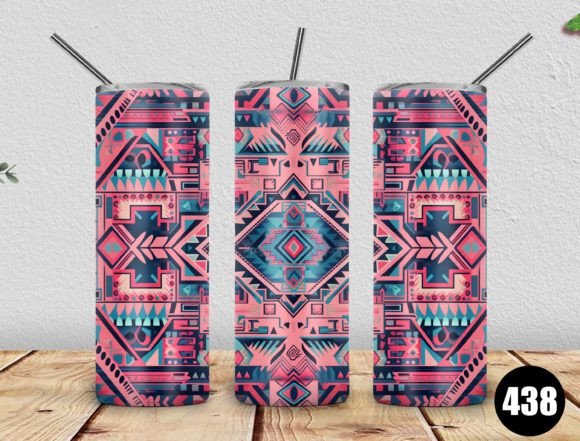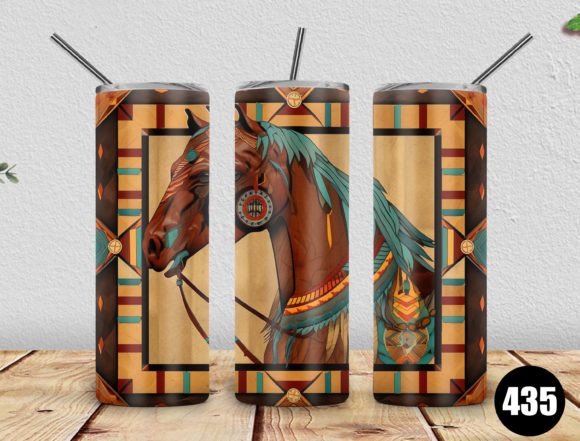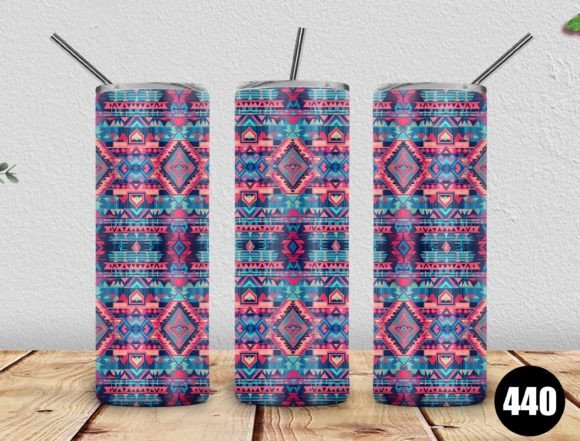
Tumbler Aztec Pink Blue Western Design Review
As a designer who spends more time than I care to admit staring at stitch charts and testing fabric swatches, I have learned that the difference between a good handmade product and a great one often comes down to design selection. It is not just about what looks pretty on a screen; it is about how that design behaves under the needle, how it sits on the final garment or accessory, and whether it communicates the right vibe to your customer. Today, I am putting Tumbler Aztec Pink Blue Western Design through its paces. This piece falls squarely into the Tumbler Wraps category but carries enough visual weight to be considered a versatile Graphics asset for various textile applications.
I recently had the opportunity to evaluate this design with a specific project in mind: creating a line of boutique-style insulated tumblers and matching embroidered tote bags for a local craft fair. The goal was to capture that trendy "western boho" aesthetic without falling into the trap of looking cluttered or cheap. Here is my practical breakdown of how Tumbler Aztec Pink Blue Western Design performs in real-world embroidery scenarios.
First Impressions and Visual Personality
The moment you open the file, the mood is established immediately. The combination of pink and blue creates a striking contrast that feels both playful and sophisticated. The Aztec pattern provides structure and rhythm, while the western theme adds a touch of rugged charm. From a layout perspective, the design is balanced. It does not feel top-heavy or lopsided, which is crucial when transferring a graphic from a flat digital space to a cylindrical object like a tumbler.
What stands out most is the clarity of the shapes. In many Aztec-inspired designs, the geometric details can become muddy if the resolution is low or the stitching density is too high. However, Tumbler Aztec Pink Blue Western Design maintains distinct lines. This suggests that the underlying vector or raster data is clean, which translates to better stitch placement. For an Etsy seller or small shop owner, this level of detail means fewer complaints about blurry edges and higher perceived value in the finished product.
Real-World Application: Beyond the Tumbler
While the primary use case for this embroidery file is clearly wrapping around a 20oz or 30oz tumbler, a savvy designer knows that versatility is key to profitability. I tested the visual scale of Tumbler Aztec Pink Blue Western Design against other common items in my studio.
- Custom Apparel: When scaled down, the central motif works beautifully as a chest pocket embroidery on a denim jacket or a sweatshirt. The pink and blue threads pop against darker fabrics like navy or charcoal, offering a fresh alternative to traditional red or white western motifs.
- Baby Embroidery: The color palette is soft enough for nursery decor or baby clothes. I envisioned this design on a muslin burp cloth or a small bib. The geometric nature of the Aztec pattern is engaging for older babies, while the colors remain gender-neutral enough to appeal to a broad audience.
- Kitchen and Home Goods: Tea towels and aprons are staple items for craft business owners. The rectangular format of the design translates well to the vertical space of a kitchen towel. It adds a splash of personality to a functional item, making it an excellent candidate for holiday embroidery gifts.
- Accessories: For tote bag design enthusiasts, placing this design on the front panel of a canvas bag creates a cohesive look. It pairs naturally with leather straps, enhancing the western theme.
Technical Considerations and Stitching Performance
This is where the rubber meets the road. As designers, we must look past the aesthetics and consider the mechanics. The download includes high-resolution PNG files, which is excellent for previewing the design before stitching. However, seeing the image is only half the battle. You need to understand how the machine will execute these patterns.
Stitch Density and Fabric Choice
The Aztec pattern likely utilizes a mix of fill stitches and possibly satin stitch accents. If you are applying this to thin fabric or stretchy knit materials, you must be cautious. High-density fills can pucker lightweight fabrics. I recommend using a cut-away stabilizer for stability, especially if you are working with jersey or fleece. For woven fabrics like cotton or denim, a tear-away might suffice, but always test first.
Thread Color Contrast
The success of this design hinges on thread selection. The pink and blue hues need to be vibrant. If you use dull or faded threads, the entire composition loses its energy. When planning your thread colors, ensure they match the saturation levels seen in the preview. Also, consider the background fabric. On light fabrics, the colors will shine brightly. On dark fabrics, you may need a backing layer or a different thread choice to maintain opacity.
Hoop Size and Curvature
Since this is designed for tumblers, it accounts for curvature. However, if you attempt to use this design on a flat surface like a cap or a pillow cover, keep the hoop size in mind. Ensure the design fits within your machine’s maximum hoop dimensions. If you are embroidering on a curved surface, remember that the design will stretch slightly at the widest point. Test on scrap material to gauge how much distortion occurs.
Where to Use With Caution
Not every application is suitable for every design. There are specific scenarios where Tumbler Aztec Pink Blue Western Design might present challenges:
- Small Hoop Sizes: If you try to shrink this design too much for a tiny patch or a child’s sock, the intricate Aztec details may merge into a blur. Always check the minimum recommended size.
- Textured Fabrics: Bouclé, heavy tweed, or nubby knits can hide stitch definition. The fine lines of the pattern may get lost in the texture of the fabric.
- Dense Stitch Areas: If the design includes large blocks of fill stitch, avoid using it on garments that require frequent washing and ironing, as the bulk of the embroidery can create uncomfortable ridges.
- Curved Surfaces Like Caps: While possible, embroidering a complex geometric pattern on the curved front of a cap requires significant skill to align correctly. Misalignment can make the design look crooked or distorted.
Practical Designer Notes for Success
Before you commit to a full production run, follow these steps to ensure quality control:
- Test on Scrap Fabric: Never skip this step. Run the design on the exact fabric you plan to use. Check for puckering, thread breaks, and tension issues.
- Inspect Small Details: Zoom in on the digital preview. Are there any tiny elements that might not stitch out clearly? If so, consider simplifying the design or adjusting the stitch type.
- Check Licensing: If you intend to sell finished products, confirm the licensing terms of the digital embroidery file. Some licenses allow commercial use of physical items but prohibit the resale of the digital file itself.
- Create Printable Mockups: Before committing to expensive materials, create a printable mockup to show potential customers. This helps validate market interest without wasting inventory.
- Review Stitch Density: If your machine struggles with the density, reduce the fill percentage in your embroidery software. A lighter stitch count can improve drape and comfort.
Final Verdict
Tumbler Aztec Pink Blue Western Design is a strong contender for designers looking to add a trendy, high-quality element to their portfolio. Its visual appeal is undeniable, and its versatility extends beyond just drinkware. Whether you are creating personalized gifts, commercial embroidery projects, or unique handmade products for your craft business, this design offers a solid foundation.
The key to success lies in execution. Pay attention to your stabilizers, choose high-quality threads, and always test before you sell. By doing so, you will transform this graphic into a professional-grade embroidery project that delights customers and builds trust in your brand. For apparel decorators and creative entrepreneurs, this is a design worth adding to your library.