Cactus Cowboy Sublimation Review
When I sit down to evaluate a new digital asset for my studio, I am rarely looking at just a pretty picture. I am looking at execution. I am looking at how lines translate into needle movements, how negative space survives the tension of a hoop, and whether a design will hold up after twenty washes in a customer’s laundry room. Recently, I pulled Cactus Cowboy Sublimation from the T-Shirt Designs category to see if it truly fits the bill for serious embroidery work. The description promises that crafting is made simple and delightful with high-quality, versatile digital files perfect for printables and iron-on transfers. But as an embroiderer, my job is to look past the marketing copy and judge the actual stitch potential.
First Impressions: Mood and Visual Personality
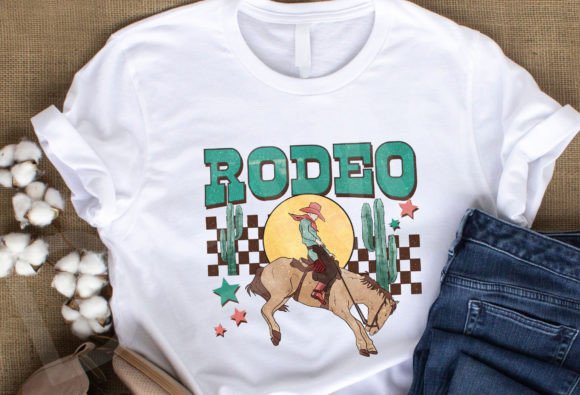
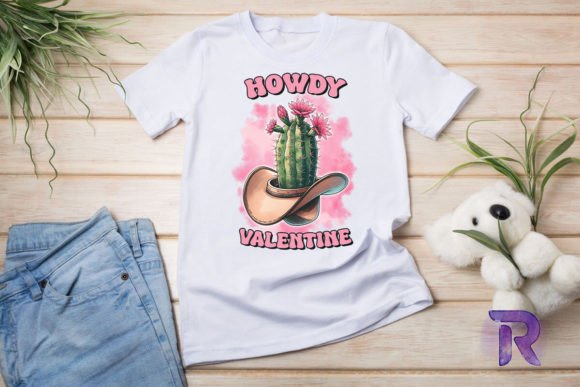
The immediate visual hook of Cactus Cowboy Sublimation is its distinct character. It does not feel like a generic clip-art cactus or a stiff, formal western motif. Instead, it carries a relaxed, playful energy that suggests a blend of desert ruggedness and modern whimsy. For designers who specialize in handmade products, this personality is crucial. A design needs to evoke an emotion before the buyer even touches the fabric.
In terms of layout, the composition feels balanced enough to stand alone on a chest pocket but dynamic enough to anchor a larger piece like a tote bag design. The shapes are clean, which is a relief. In my experience, overly intricate line art often gets lost when converted into thread, especially if the stitch density is too high. Here, the visual weight seems distributed evenly, suggesting that the underlying vector or digitization logic is sound. It feels ready for custom apparel without needing excessive trimming or editing on my end.
Real-World Application: From Screen to Stitch
I want to talk about where this design actually lives. Let’s imagine a specific scenario: I am preparing a batch of boutique merchandise for an upcoming craft fair. I have decided to create a line of personalized gifts centered around a "Southwest Chill" theme. My target audience includes Etsy sellers and small shop owners who need designs that photograph well and appeal to a broad demographic.
Cactus Cowboy Sublimation shines in this context. I envision this applied to a heavyweight canvas tote bag. The contrast between the rough texture of the canvas and the smooth finish of the satin stitch would be striking. Alternatively, placing it on a sweatshirt embroidery project for a nursery or a baby shower gift adds a layer of warmth. The design is versatile enough to work as an embroidered patch on a denim jacket or centered on a kitchen towel for a housewarming present.
However, versatility comes with caveats. When I think about commercial embroidery projects, I always consider the end-user's maintenance habits. If this design is going onto a baby item or a frequently washed apron, the structural integrity of the stitches matters more than the initial visual pop. The curves in the cowboy hat and the spines of the cactus need to be handled with care. If the digitizer used tight fill stitch areas for the leaves, we might run into puckering issues on thinner fabrics. This is why I always advise testing the design on scrap fabric first.
Where Caution Is Required
Not every surface is created equal, and Cactus Cowboy Sublimation has limits. There are specific situations where you need to step back and re-evaluate your approach:
- Small Hoop Sizes: If you are attempting to digitize this for a tiny 4x4 hoop or smaller, pay close attention to the detailed corners. Tiny lettering or fine whiskers on the cactus may become muddy blobs if the stitch count is too high for the available space.
- Textured and Stretchy Fabrics: Putting this on a stretchy jersey knit cap or a heavily textured burlap requires a robust stabilizer strategy. Without proper support, the running stitch lines might distort, ruining the symmetry of the character.
- Dark Fabric Backgrounds: While sublimation implies bright colors, embroidery relies on thread contrast. On dark fabrics, you will need to ensure your thread colors provide enough lift. A light pastel cactus might disappear against a black hoodie unless you use a heavy underlay or a contrasting backing.
- Curved Surfaces: Applying this to a curved surface like a baseball cap requires careful hooping techniques. The design must be adjusted for curvature, or it will look warped once the hat is removed from the frame.
Technical Considerations for the Designer
As someone who reviews these assets for practical use, I look at the technical backbone. Since the product description highlights that these are high-quality digital files suitable for various decor items, I assume the base file is clean. However, "high quality" in digital downloads can sometimes mean different things depending on the software you use.
Before committing to a full production run, I recommend inspecting the design in black and white mockups. This helps you assess the value range—how well the darks and lights separate. If the design looks flat in grayscale, it might lack the necessary depth when stitched. You should also compare light and dark fabric backgrounds digitally to see how the thread colors interact with the substrate.
Another critical step is reviewing stitch density. High-density designs can make a finished product feel stiff and plastic-like, which reduces the perceived value of a handmade product. Conversely, too little density can leave the fabric visible through the threads, making the item look cheap. Look for a balance where the satin stitch edges are crisp but the fill stitch allows the fabric texture to peek through slightly, adding organic charm.
Impact on Brand and Customer Trust
For the Etsy seller or the creative entrepreneur, the difference between a mediocre design and a great one is often the difference between a one-time sale and a loyal customer. Cactus Cowboy Sublimation has the potential to boost brand consistency because of its clear, recognizable silhouette. When customers receive a personalized gift that looks professionally executed, their trust in your small business grows.
This design works particularly well for holiday embroidery projects or seasonal decor. The cowboy theme is timeless but can be adapted for Western-themed weddings or summer festivals. By using a strong graphic like this, you signal professionalism. It shows that you have curated your design assets carefully. It is not just about slapping a logo on a shirt; it is about creating a cohesive collection of design assets that tell a story.
Final Verdict
Cactus Cowboy Sublimation is a solid addition to the toolkit of any embroiderer looking to add a touch of whimsical western flair to their inventory. It bridges the gap between a fun graphic and a functional embroidery file. It is perfect for those who want to create standout pieces without spending hours adjusting digitization settings.
However, remember that the file is only half the equation. Your choice of thread colors, your stabilizer selection, and your machine calibration will determine the final outcome. Check the licensing terms carefully before selling finished items or digital products. Ensure you understand whether you are buying a personal use license or rights for commercial embroidery. Confirm the hoop size requirements and test the design thoroughly.
If you are ready to elevate your craft business with a design that is both delightful and durable, this is a strong candidate. Just keep your scissors sharp and your tension settings checked. Happy stitching.