Skeleton Cowboy Sublimation: A Designer’s Review
When I first pulled up Skeleton Cowboy Sublimation on my monitor, my immediate reaction was less about the technical specs and more about the vibe. It has a distinct personality. As an embroidery designer who spends hours staring at stitch paths and evaluating how digital art translates to thread, I look for designs that hold their own when scaled down or stitched out. This piece definitely does. It strikes a balance between spooky and whimsical, making it a versatile asset for anyone in the handmade space, whether you are running a boutique Etsy shop or just want to create a unique gift for a friend.
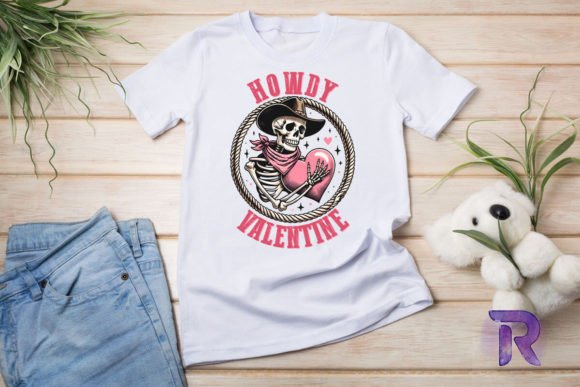
The prompt describes this as part of a collection made for crafting simplicity, but in practice, "simple" doesn't always mean "effective." What stands out here is the visual clarity. The skeleton figure is posed with a classic cowboy stance, which gives it a strong silhouette. In machine embroidery, silhouette is king. If the shape isn't readable from three feet away, the intricate details don't matter. Skeleton Cowboy Sublimation passes that test easily. It feels like a design meant to be seen, not just felt.
First Impressions and Visual Personality
The mood of this design is undeniably Western with a touch of Halloween flair, but it avoids being too literal or scary. That is a crucial distinction for commercial viability. You want something that appeals to a broad audience. A overly gore-filled skeleton might limit your sales to a niche horror crowd, but a stylized, confident cowboy skeleton? That sells to surfers, country music fans, Halloween enthusiasts, and people who just appreciate good graphic art.
Visually, the layout feels balanced. There is enough negative space around the figure to allow for clean stitching without the risk of threads tangling in empty corners. For those of us who have nightmare experiences trying to embroider dense clusters into tiny spaces, knowing that a design allows for some breathing room is a huge relief. The character’s hat and bones suggest a natural flow for different stitch types—perhaps a satin stitch for the outline of the hat brim and fill stitches for the torso area to give it body.
Real-World Application: Where Does This Design Shine?
I often think about where a design will live before I even load it into my hoop. Skeleton Cowboy Sublimation is incredibly adaptable. Here is how I see it performing in real-world scenarios:
- Custom Apparel: This is the most obvious use case. On a heather grey or black t-shirt, the contrast would pop beautifully. It works equally well on sweatshirts for fall events or festivals. The rugged theme pairs naturally with denim jackets or flannel shirts.
- Tote Bags and Market Totes: Canvas tote bags are a staple for craft fairs and everyday use. Embroidering this onto a sturdy canvas bag adds a premium feel compared to screen printing. It becomes a statement piece that customers are proud to carry.
- Holiday Gifts and Decor: While it fits perfectly in October, the Western theme keeps it relevant year-round. It could work as a quirky housewarming gift for someone who loves ranch life, or as a fun addition to a nursery wall hanging if paired with softer colors.
- Embroidered Patches: The self-contained nature of the skeleton makes it ideal for creating iron-on or sew-on patches. These are high-margin items for small business owners. You can sell them individually or as sets.
- Aprons and Kitchen Towels: For the home cook with a sense of humor, this design adds character to kitchen linens. It’s durable, washable, and visually interesting.
For the Etsy seller or small shop owner, this design offers a great entry point into seasonal collections without committing to a full Halloween overhaul. It bridges the gap between casual western wear and holiday-specific merchandise.
Technical Considerations and Stitching Challenges
As much as I love the look of Skeleton Cowboy Sublimation, we need to talk about execution. Not all fabrics are created equal, and not all hoops are large enough. Here is what you need to watch out for during production:
Fabric Selection Matters
This design likely contains areas of varying density. If you plan to stitch this on a stretchy fabric like a thin jersey knit, you must use a proper stabilizer. Without it, the tension will pucker, and the skeleton might look distorted. For best results, stick to stable cottons, blends, or heavy canvas. Avoid textured fabrics like bouclé or thick chenille unless you are prepared for significant troubleshooting, as the texture can hide the finer details of the bone structure.
Detail Resolution
Check the smaller elements carefully. Are there tiny crossbones or fine lines on the ribs? If these details are too small, they may get lost in the thread or become difficult for the machine to stitch cleanly. I always recommend testing the design in a monochrome view first. If the shapes merge together in black and white, they will likely struggle in color. Also, consider the thread colors. High contrast is key. A white skeleton on a black background will yield much sharper results than a pale yellow on a light beige shirt.
Hoop Size and Placement
Ensure your hoop is large enough to accommodate the entire design plus any necessary margin for trimming. Trying to re-hooping mid-design can lead to alignment issues. If you are placing this on a curved surface like a baseball cap, pay close attention to the distortion that comes with 5D embroidery on curves. The top of the hat stretches differently than the front panel, so you may need to adjust the placement slightly to keep the cowboy looking upright rather than leaning.
Product Value and Customer Appeal
From a branding perspective, Skeleton Cowboy Sublimation elevates the perceived value of a finished product. Handmade goods compete with mass-produced items, but embroidery offers a tactile quality that prints cannot match. When a customer receives a sweatshirt with this design, they can feel the texture of the stitches. That sensory experience builds trust and loyalty.
It also speaks to professionalism. A cleanly stitched design with consistent tension and no loose threads signals that the maker cares about quality. This is especially important for commercial embroidery projects where you might be fulfilling orders for local businesses or events. The Western motif is recognizable and appealing, reducing the need for extensive marketing explanations. The design sells itself through its charm.
Final Designer Notes
Before you rush to produce a batch of Skeleton Cowboy Sublimation products, take these practical steps:
- Test Run: Always stitch a sample on scrap fabric that matches your final product material. Check for puckering, thread breaks, and color accuracy.
- Review File Specs: Since the description mentions versatility for printables and transfers, verify the specific file formats provided (e.g., PES, DST, EXP). Ensure they are compatible with your machine.
- Licensing Check: If you intend to sell the finished embroidered items, confirm the commercial license terms. Some digital files are for personal use only. Clarity here protects your business.
- Mockups: Create realistic mockups showing the design on various backgrounds. This helps you visualize the final handmade product and market it effectively online.
In conclusion, Skeleton Cowboy Sublimation is a strong, usable design that brings character to any project. It is not just another generic clipart; it has enough visual weight to stand alone as a focal point. Whether you are adding it to your design assets library for future seasons or creating a limited run of custom apparel for an upcoming event, this file is a solid choice. It balances aesthetic appeal with practical embroidery potential, making it a worthy addition to your workflow.